
Lent
-
Beginning with Forgiveness
Every Sunday, a clergy friend pronounces God’s forgiveness before the corporate confession. In the Episcopal Book of Common Prayer (p. 360), it specifies that we confess first, and then the priest or bishop pronounces forgiveness: “Almighty God have mercy on… Continue reading

-
Born From Beauty: The Tender Mercies of “On Earth We’re Briefly Gorgeous”
Ocean Vuong’s 2019 novel, On Earth We’re Briefly Gorgeous, is a stunning and lyrical elegy addressed to the protagonist’s (Little Dog’s) mother, Rose. Rose is a Vietnamese migrant. She is the fair-skinned daughter of an American soldier and Lan, the winsome,… Continue reading

-
Biblical Inspiration: Reading the Gospel of Matthew During Lent
We can talk about theological ideas, the development of doctrine, and the idea of God as unchanging, but the point is that in spite of all the theoretical aspects of the discussion, it is always human persons writing theological texts.… Continue reading

-
“The Path I Walk, Christ Walks It”
The theologian in me enjoys creative challenges. Like how to craft a cohesive sermon weaving together themes of Celtic spirituality in light of the appointed Sunday readings, with specific focus on Genesis 15:1-12, 17-18 and Luke 13:31-35, and with an… Continue reading

-
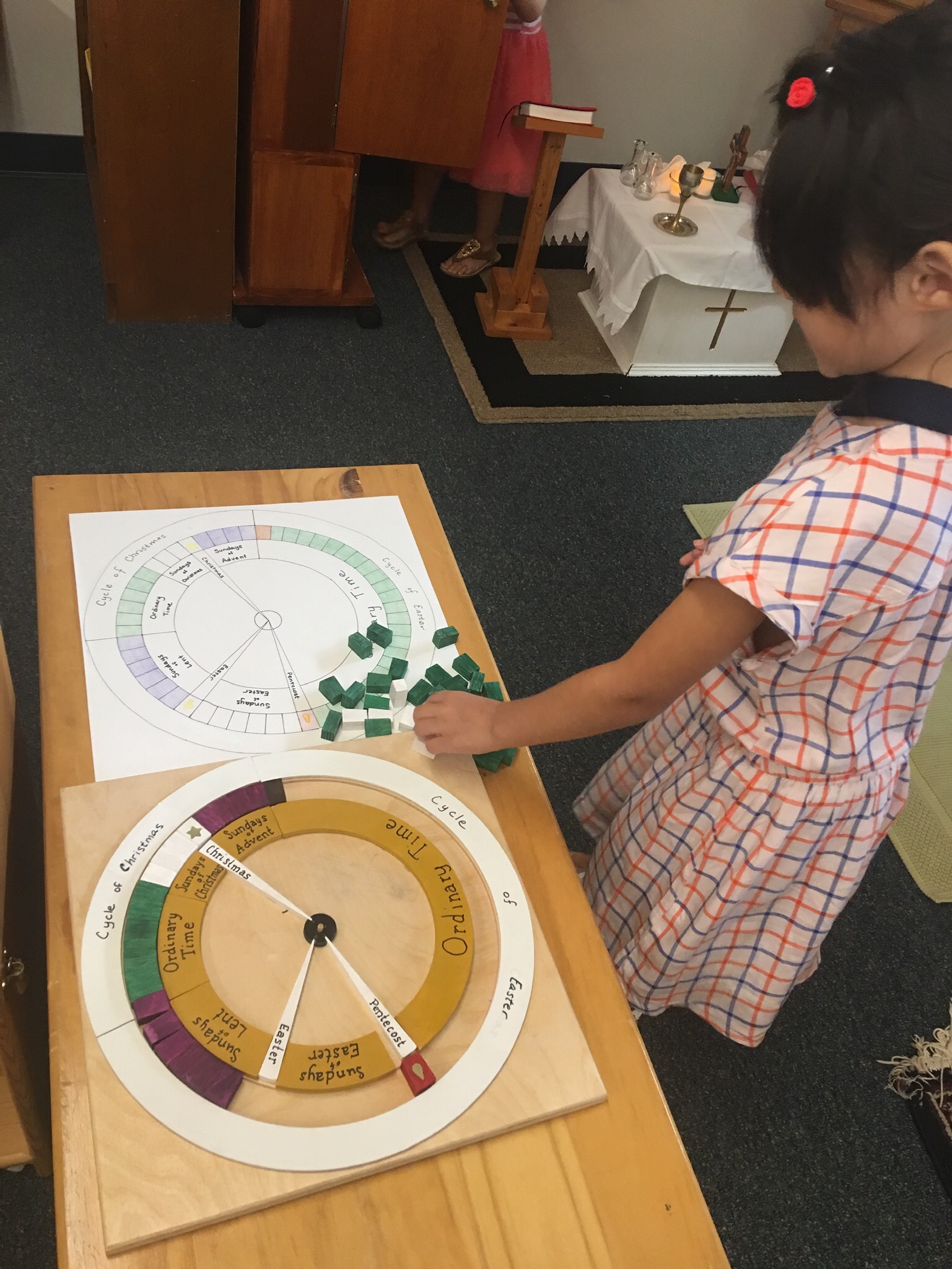
This isn’t the end of the story: Lent + the 3-6 year-old child
Before I had kids, I had all these grand plans for how I would raise them, constantly taking mental notes of what I would and would not do. When I became the head of a faith formation program at a… Continue reading
-
Lenten Lessons from the Upper Room
Women in Theology is happy to publish another guest post from theologian and educator, Alexis James Waggoner. Waggoner is an adjunct professor and a minister of religious education. Her organization, The Acropolis Project (http://theacropolisproject.com) is dedicated to raising the bar… Continue reading

-
Remember that you are dust.
We can only identify our own shortcomings if we have taken a long look at ourselves. We can only help our neighbor if we have first taken the time to listen to what she needs. Continue reading

-
Examining Our Consciences In Light of Structural Sin
This is my attempt to envision an examination of conscience that more explicitly deals with the intersection between interpersonal and structural-social sin. NOTE: The absence of certain “traditional” sins, like masturbation, for example, is not in itself a statement about… Continue reading