
I was recently at the International Society for Biblical Literature (ISBL) conference in Uppsala, Sweden and I heard some one proclaim, “I would be happy to travel anywhere in the world except Australia. Becuase they have spiders and snakes and all things that will kill you.” And it is true that we have deadly snakes and spiders and other animals, but I can’t remember the last time I saw a snake and I don’t think I have seen a red-back spider in real life. Our huntsmen spiders can be huge and daunting, but they are much more likely to run away than to bite you and it has been years since I have seen one of those, too. I wonder if part of this perception about what Australia is like comes from Steve Irwin, or perhaps for people who are a bit older Crocodile Dundee, but everyday life in Australia is not really like that.

One colloquialism that we use to describe Australia is the land ‘down under.’ This probably comes from our position on maps and globes that puts us down the bottom, oceans away from both the Americas and Europe. This also means that to travel to or from Australia is no mean feat for most of the world. But, I would argue, it is worth it.
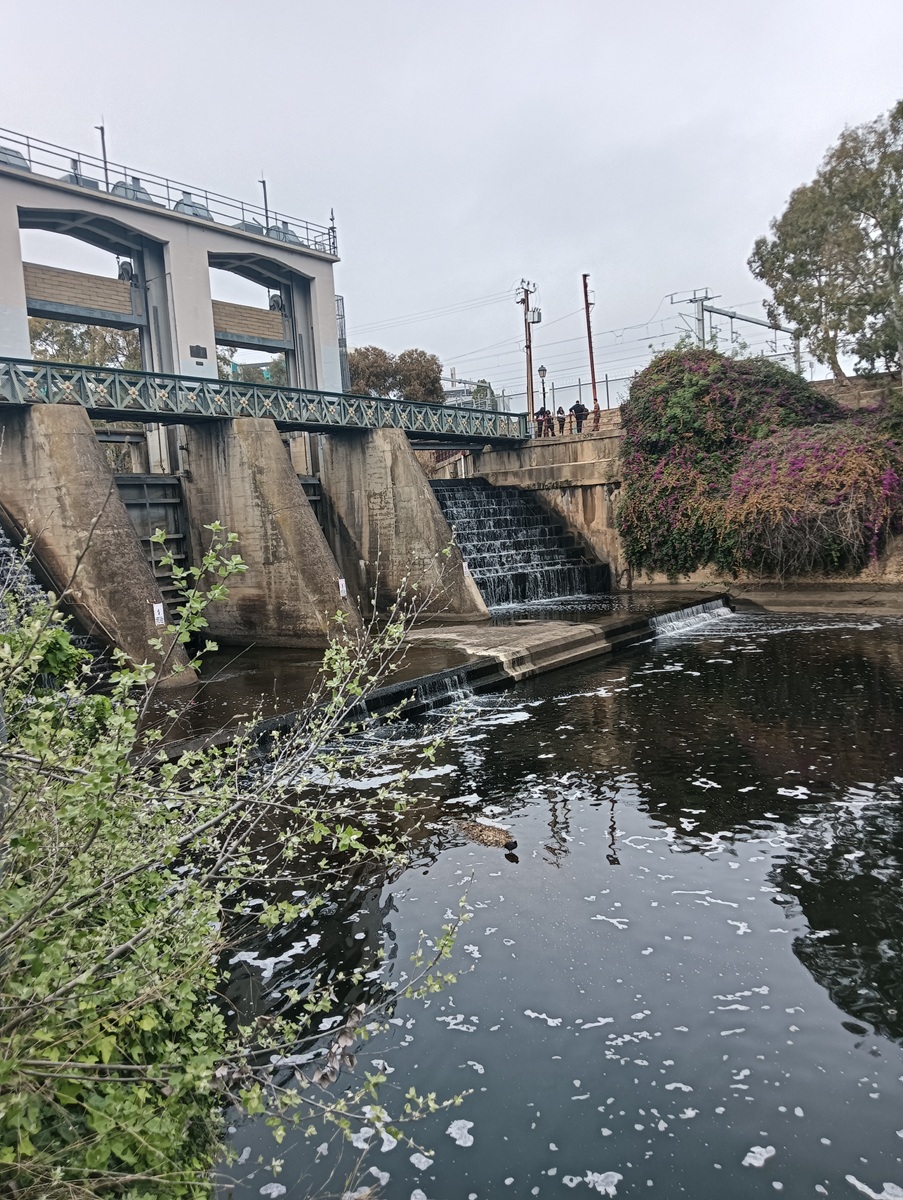
Why am I trying to convince you to give us a try? Well, next year the ISBL conference will be in Adelaide, Austalia. Adelaide is the state capital of South Australia and has been described as the ‘city of churches.’ While I don’t live there, one of my jobs is based there – I work remotely from my home in Geelong – and it is the place my ancestors landed many years ago seeking freedom to practice their faith without undue influence from the state.
One of the streams that I am involved with will be the Reading the Bible Down Under stream. This is a follow on from the book, Reading the Bible in Australia (Wipf and Stock, 2024). We are hoping that people will submit abstacts that think about Reading the Bible in Australia, New Zealand and other paskifika nations, but also that we can think about readings from the margins. Theology is often done from the top – the academy, the USA, Europe, whiteness, heteronormativity – but we are hoping that this stream will allow voices to be heard that are not speaking from these normative spaces. What does it mean to read the Bible as a refugee? What does it mean to read the Bible when your home is at risk from rising sea levels? What does it mean to read the Bible as an Indigenous person?
And of course, if you are travelling all this way for the conference, you could also take a trip up the red centre to see Uluru, or along the Great Ocean Road to Geelong, or to Melbourne or Sydney or Perth, or Brisbane or Darwin, or Hobart. The possibilities are endless, and if you do happen to meet a snake or a spider, remember that they are probably more scared of you than you are of them. Stand still, or gently back away. And then you will have a great travel story to tell about the day you nearly died in the land down under.
P.S. Just make sure you carry some vegemite to smear behind your ears in case of drop bears.

Leave a Reply