
The Regular Contributors to WIT are participating in a round table series, titled “Haunted.” This series will appear every (or every other) week throughout the Fall 2024 semester. Each current contributor to the blog will spend some time reflecting on what they are “haunted” by in their theological project.
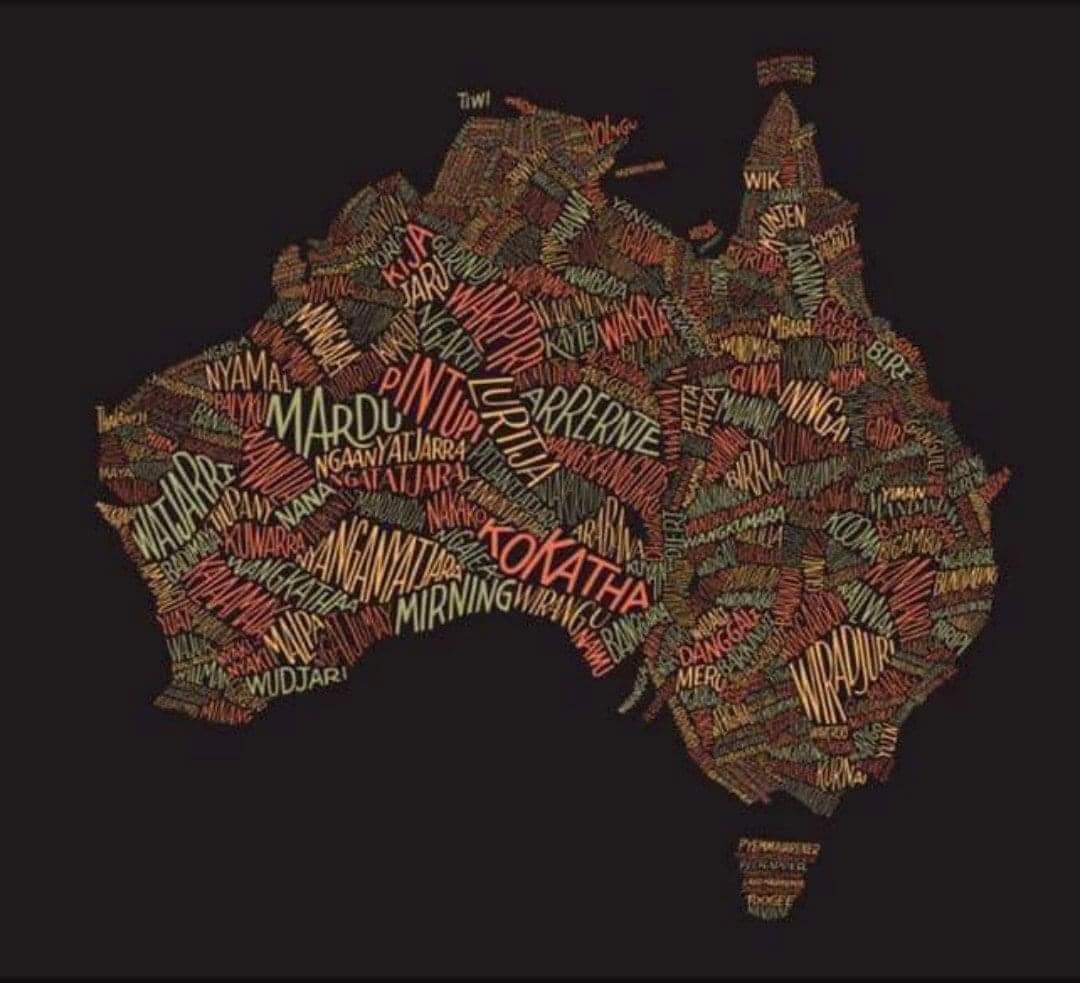
Last year Australia was faced with a vote to change its constitution. The question was, should Indigenous people in these lands we call Australia have a Voice to Parliament that gives advice on Indigenous issues. The result was a resounding no. Not one state voted yes. The Voice didn’t have any power to change laws. It did not have any power to direct government action. It did not have any real power at all. And still, Australia as a nation was not willing to support this initiative. White Australia has a Black History, and we continue to be haunted by it.
The No Campaign used the slogan, “if you don’t know, vote no” which exploited the generally conservative nature of Australian society. Throughout our white history, Australia has been much more likely to vote no at a referendum, than to vote yes. And a change to the constitution requires a double yes – an overall majority of the population to vote yes, and a majority of the states to vote yes. A high bar that has not often been conquered. In the official leaflet, the No Campaign warned us that the Voice was risky, unknown, divisive and permanent, and these tactics are very effective in stoking fear in white Australia.

In recent weeks, the current Prime Minister Anthony Albanese has walked away from a promise to form a makarrata commission which would negotiate a treaty with this lands First Nations people. A majority of Australians recognise that there is a distinct and problematic gap between First and Second Nations on a range of issues such as health, employment, and incarceration rates, but this is not enough to drive systemic change at the national level.
Indigenous Australians, via the Uluru Statement of the Heart have asked for three outcomes – Voice, Treaty and Truth-telling. In the wake of the referendum defeat, initiatives in all three of these areas have been abandoned with focus instead turned to issues such as the perceived cost of living crisis.
In Feminist Afterlives of the Witch, Brydie Kosmina says “to be haunted is to recognize that the ghost has emerged due to some unfinished business of the past: the haunted must address the reason the ghost haunts them.”[1]
White Australia has colonised these lands over the last two hundred plus years. The colonising was achieved through land grabs, massacres, stealing children, and intentional efforts to wipe out language and culture. This violence is the ghost that haunts white Australia. White Australia has never reckoned with how our actions created the trauma that continues to haunt and remind us that there is unfinished business.
In the state of Victoria where I live, the Yoorrook Justice Commission is underway. A truth-telling process looking at both historical and ongoing injustices experienced by First Nations people in Victoria. It is led predominantly by Aboriginal people who have experience across a wide range of relevant areas. At the end of April and start of May, representatives from the Uniting, Anglican and Catholic churches faced the commission.
There were some lovely words spoken about how important and valued First Nations people were and are. There was some mea culpa shown about the churches involvement in historical displacement of Indigenous people and the negative cultural impact of missionizing.[2] However, when it came to concrete actions that the churches are taking now to address the issues, all that was heard was equivocations and justifications and avoidance. There was even the suggestion that the church had expressed ‘repentance,’ and so now is the time for Indigenous people to move on to forgiveness.
The requirement of forgiveness from victimised people by the perpetrators of harm is, unfortunately, very common in Christian discourse. There is a very quick leap to seventy times seven without dwelling on or even recognising the need for repair. Rabbi Danya Ruttenberg in her book On Repentance and Repair says “A sincere victim-centric apology….is certainly part of it but that’s neither the beginning or the end of the process. And regardless, the focus is not on whether forgiveness is granted but on whether the person who has done harm engages deeply in the steps of repentance and repair.”[3]
In the last few months, one tertiary college and one tertiary school in Australia that were set up to expressly focus on Indigenous theology have closed, with funding being given as a primary reason for the closures. To put this in context, basically all the denominations in Australia are struggling with dwindling attendance and income, and increased costs including reparations for institutional sexual abuse, among other issues. The tertiary education sector is in crisis, with cutbacks being particularly felt in the humanities and arts, and this is no less true within theological education. This is a time of struggle for both the churches and their training colleges, and a direct outcome is cutbacks to Indigenous theological training.
And so, just as secular Australia is finding it easier to look away from Indigenous pain to focus on its own economic self-interest. So too are the churches more interested in protecting their own, rather than allowing themselves to be accountable for harms caused. The church is putting a lot of energy at the moment into addressing the sexual abuse crisis, but this is only because the government has made it clear that there will be legal ramifications if they do not.
As noted, the Australian government isn’t interested in justice for Indigenous people and so in this area they are not placing any pressure on the churches to reckon with the harms done. What might it look like if the Australian churches took a lead in this area, and were proactive in funding initiatives to demonstrate that they were faithfully invested in repentance and repair?
It might look like selling some of their properties, many of which were built on land ‘gifted’ from the government (who had stolen it from the Traditional Owners). It might look like tithing their income and investing that money in Indigenous-led programs and theological training. It might look like listening to Indigenous people, sacredly holding their lived experience and perspectives without the desire to jump in and save anyone. On an individual level, it might mean reading Rabbi Ruttenberg’s book and thinking about how we can do the necessary work to face the ghosts of our present, in order to live peacefully together in the future.
Can you imagine the church taking this work seriously, and being a forerunner in the race towards truth telling and reconciliation? Can you envisage what your part might be?
And maybe the prompt for this should be not “what are we allowing ourselves to be haunted by?” but “why are we NOT haunted by our past collective misdeeds and what might it take for us to be willing to address this unfinished business?”
[1] Brydie Kosmina, Feminist Afterlives of the Witch: Popular Culture, Memory, Activism (Palgrave Macmillam, 2023), 91.
[2] Notably the representative from the Catholic Church, Archbishop Peter Comensoli, refused to accept responsibility for their involvement.
[3] Danya Ruttenberg, On Repentance and Repair: Making Amends in an Unapologetic World (Beacon Press, 2022).

Leave a Reply