
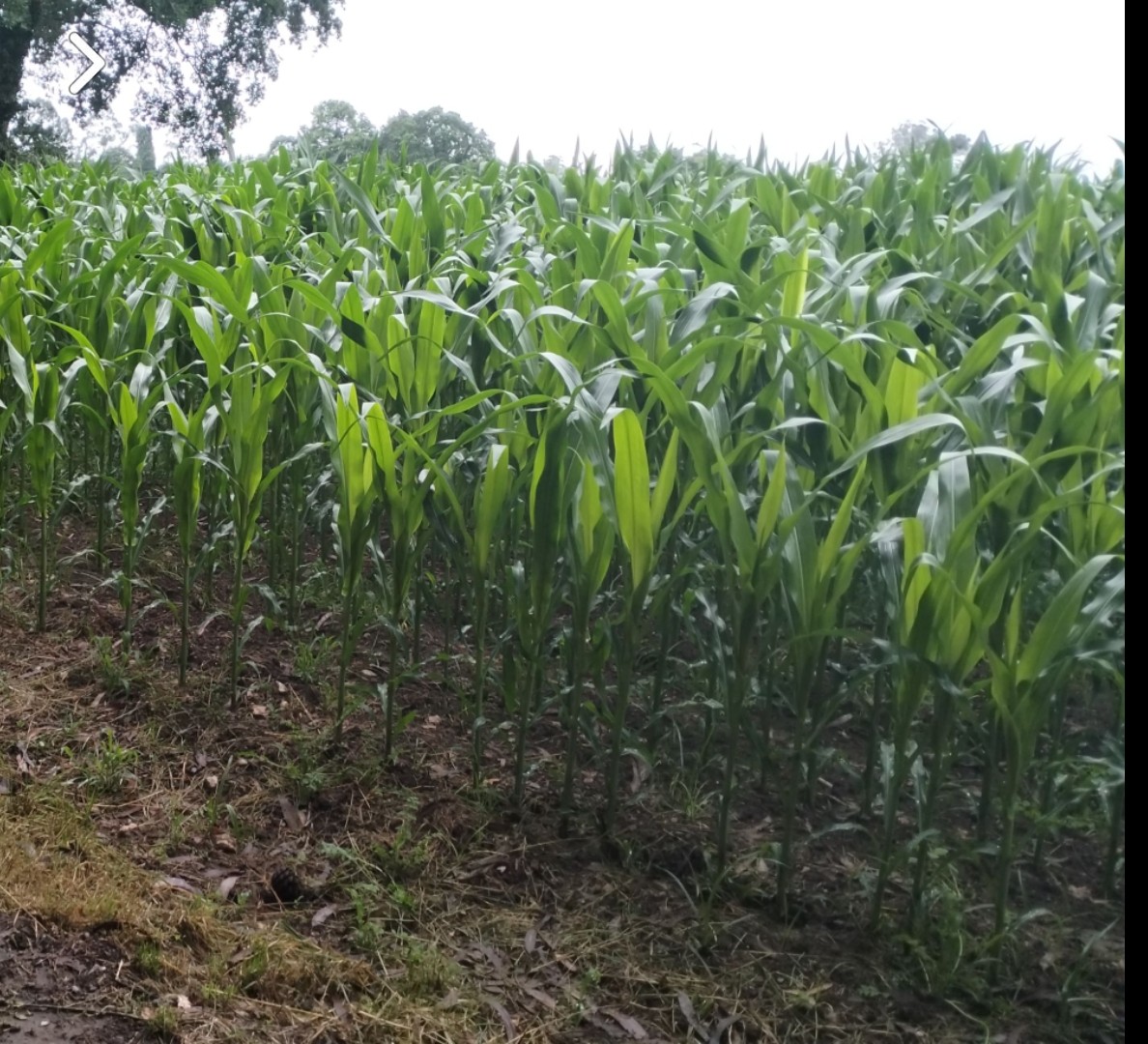
I have often heard the parable of the sower (Matt 13:1-23; Mark 4:1-20; Luke 8:4-10) preached with the moral of the story being ‘choose to be the good soil.’
I have also heard it preached where the extravagance of the sower is the main theme, i.e Jesus sows his love extravagantly for all who may take it up.
And the gospels do encourage us to read it this way. All three of them note that the seed is the word of God, and anyone who hears the message has the choice to listen and be the good soil.
Today, as I was walking through the countryside, it occurred to me that the idea of choice here (as it does in other contexts) is a very privileged perspective to take.
The rhetoric of choice so often assumes that if a person makes the right choices, then they will have a good life or the right attitude or will be successful. Just choose to be grateful and you will no longer be depressed, the memes imply.
However, anyone who has suffered with substantial mental health issues, or chronic illnesses like ME/CFS* will tell you that the choices are very limited for them. They can’t choose to make their brain or body function in a way that is considered normal, and this has a range of ramifications for everyday life. Having choices often means having privilege.
So what if we read the parable of the sower with this frame of privilege in mind. Perhaps the rocky soil is being born into a family where one parent loves you deeply but the other is abusive. The love allows you to thrive to a certain point, but the framework of abusive relationships ultimately chokes (often literally in DFV) you so that you cannot survive.
The thorny soil might be being born into a family where there is not emotional safety or support, and the lack of encouragement and love means you never develop the strength to succeed in each area of your life. Perhaps it is the body that develops fibromyalgia or endometriosis or another condition that leaves the person in a permanently weakened state.
I wonder if the seed that falls on the path might be the child born into a house of abuse, or addiction, or abandonment. It is almost impossible to flourish in that setting.
The good soil might be being born into a stable, supportive, white family. In this family the choices and privilege are many, and usually invisible. When the person succeeds – produces a crop that produces many times what was sown – it is used as an exemplar of what can be achieved if only the right choices are made. The earnings from the crop can be reinvested into continuing to improve the soil, buying more soil, and dictating the conditions for others all around. And if we could make the choice to be born white, male, cis-het, rich we might be tempted to pat ourselves on the back and think that the crop reflects our choices, rather than the privileges we were born with.

I wonder where else might privilege affect our readings of scripture? Or blind us to the way our theology privileges the ones who start at the top of the heap? Theology can both hurt and heal and considering the way our social and cultural position situates helps us to be more thoughtful in the way it is applied.
( This buzzfeed test is a useful starting point for considering how privileged you are: https://www.buzzfeed.com/regajha/how-privileged-are-you)

Leave a Reply