
From as far back as my mind can go, to the age of four, I have felt a deep sense of call by God. I sought to address this call by studying Religion/Theology from a Catholic University. Soon after reception of my Master’s Degree in 2002, the program was installed as the official study course for those wishing to become a Deacon in my diocese. It became clear that the men in our group could study one more year to become Deacons while the women had this door closed to them, regardless of their education or desire. Though this felt unjust, I continued to feel strongly called to serve and be involved in Theology and the life of the Church. I then pursued certification in Spiritual Direction. Upon completion of this three-year program, I was informed that my local church was not ready for a lay female Spiritual Director. My frustration grew as I realized that no matter how many Theology/Spiritual programs I studied, I was at a deficit in the Church simply because of my chromosomal make-up. I felt unnoticed, abandoned and invisible despite my years of enthusiastic study in Theology.
After having the Diaconate doors closed to me and struggling to find my place in the Church, I wrestled with my image and understanding of God. My presence and training went unnoticed by the very Church I loved and wished to serve. Did my longings and efforts remain unseen by God as well?
Most often, people come to form an image of God through an experience of God. Indeed, the Bible collects and records various people’s encounters with God’s revelation. It is their own personal, human expression of what they have seen and experienced. Since God is mystery, all human language and attempts to describe such is incomplete. No single encounter can fully define the vastness of God. Each biblical image conveys a particular lens through which the one who comes into contact with God learns a deeper understanding of this mystery.
I was familiar with most of the names associated with God in the Hebrew Scriptures: El Shaddai, Elohim, Adonai, YHWH, to name a few. I then came across a description for God in the Hebrew Scriptures that I had not previously heard. This infrequently referenced name for God is El Roi which comes from Genesis 16:13. El Roi, which translated means “The one who sees me,” is the name given to God by Hagar. To understand the significance of this description, we must understand Hagar’s story.
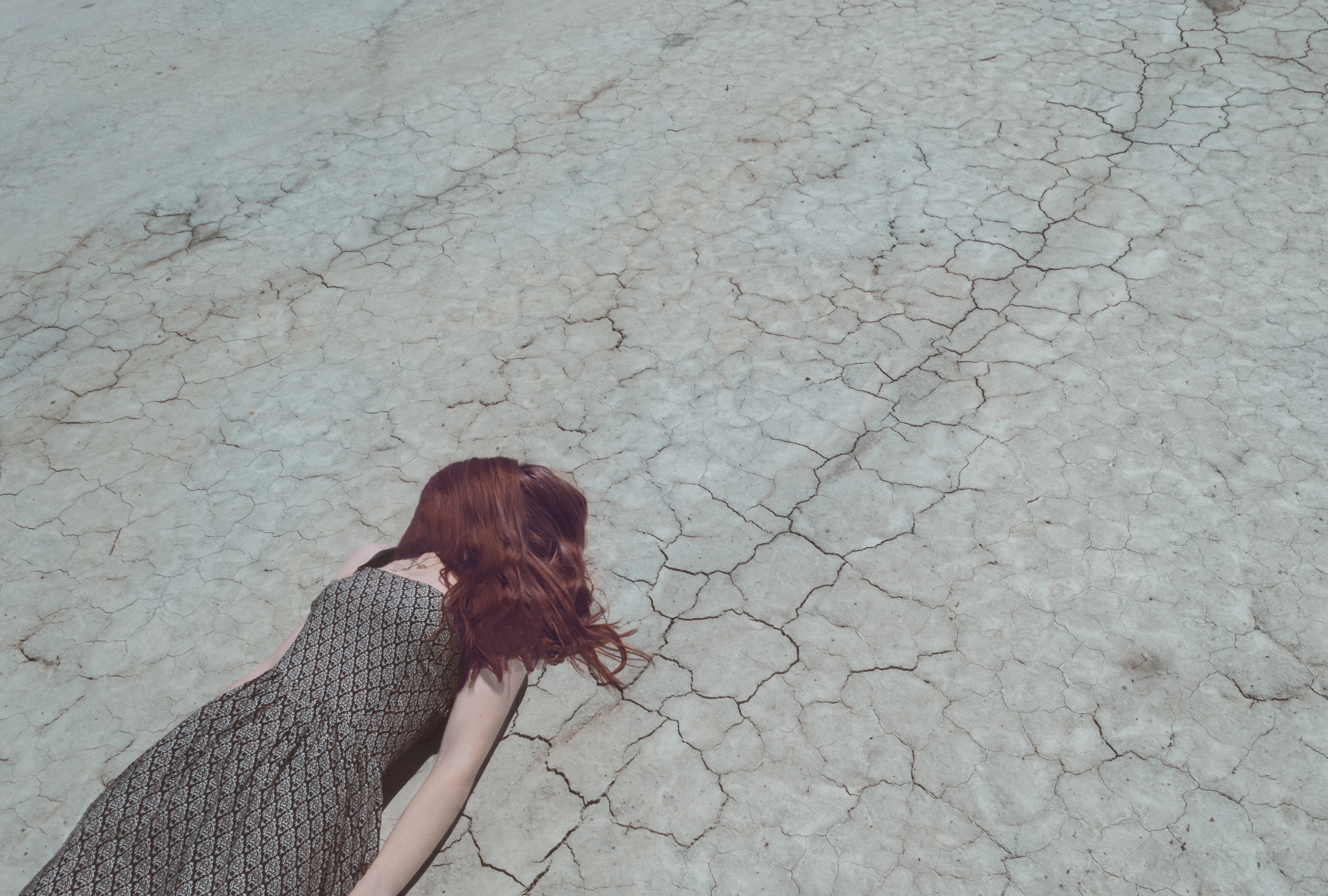
Hagar is an Egyptian slave beholden to Abraham and Sarai. After many years of infertility, Sarai tells her husband to take Hagar as a concubine. As a slave, Hagar had no choice but to live as Sarai and Abraham directed. Soon, Hagar conceives and is ill-treated by Sarai. Hagar flees into the wilderness where she is found by God, who asks her this question, “where have you come from and where are you going?” God seeks Hagar in the desert, challenging her sense of powerlessness and rejection. Intentionally posing this question clarifies and gives direction to Hagar’s disorientation. God hears her concerns, encouraging her to return from exile to face her situation. As the one being sought after and addressed, Hagar gains a renewed sense of purpose and future.
In the Jewish interpretive process of Midrash, scripture is viewed as though God is speaking to the reader at the very moment any given passage is read. This type of exegesis attempts to connect the biblical text with contemporary realities, including our personal situations. Then, God’s question to Hagar, “Where have you come from and where are you going?” is a question for me in the present. Hagar’s story becomes the story of my life. When have I been powerless and without a voice? How have I felt invisible and rejected? How do others make decisions that dictate the direction in my life? How do I flee from this lack of control in my life?
There is a deep significance in a “God who sees me” particularly for women in society who at times feel insignificant or powerless. In the story, Hagar the slave, whose name means, “flight,” escapes into the desert because she has little control over her life. She is rejected and utterly alone. For anyone who has been in unjust situations with little determination over their own lives, this story speaks directly to their situation.
This image of God as “The One who sees me” expressed an aspect of God that I had not anticipated. Reflection on the significance of El Roi, inspired a deeper understanding of the mystery of God. I always imagined God as the one who sees all our actions. My emerging awareness was that God sees into our hearts not for judgment but rather for the express purpose of encouraging us in our greatest potential. This is the God who seeks for us in the desert in the midst of confusion and feelings of inconsequentiality offering direction.
The picture taking shape in my mind was of a God who encourages us to face the obstacles in our lives with renewed purpose and strength. Knowing that we are significant enough to be sought after, noticed and beheld by God, we can face our lives with a renewed sense of purpose that breathes new life into our future. Though I may be overlooked by some, I have faith in a God who sees the promise of the fullest expression of who I am meant to be.


Leave a Reply to Carol Smagala LinthacumCancel reply